

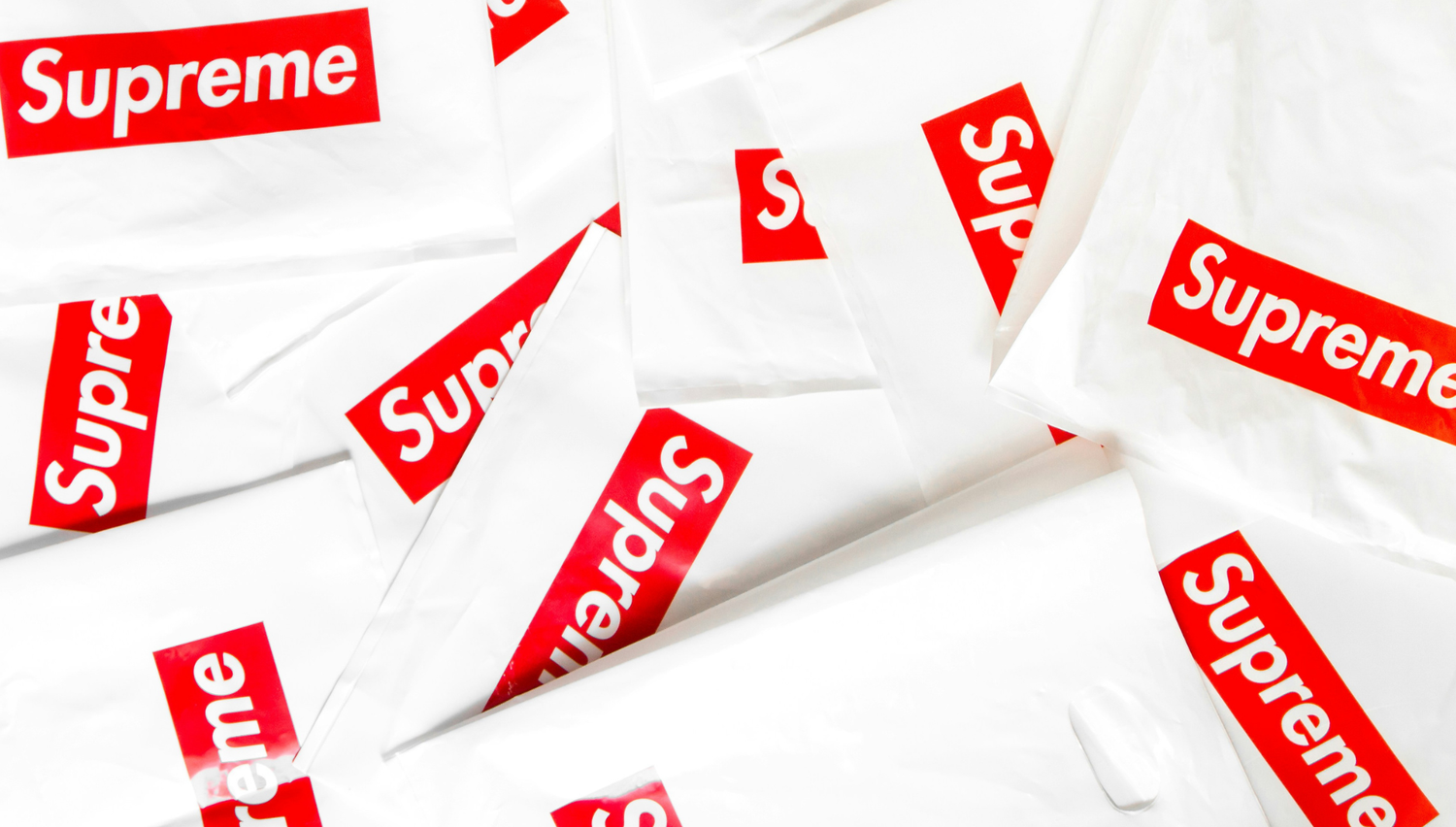
Supreme is one of the most influential streetwear brands in the world. Founded in 1994, the brand transformed skate culture into a global fashion movement. But how did Supreme become such a cultural powerhouse?
Let’s explore the origins, rise, and future of Supreme.
Who Founded Supreme?
Supreme was founded in 1994 by James Jebbia in downtown Manhattan, New York City.
Jebbia’s vision was simple but powerful: create a space where skateboarding, art, music, and fashion could intersect naturally. The original Supreme store was designed with skaters in mind — featuring an open layout that allowed customers to skate inside.
This authentic connection to skate culture became the foundation of the brand’s identity.
What Inspired Supreme?
Supreme was inspired by:
- 1990s New York skate culture
- Hip-hop and downtown art scenes
- Youth counterculture
- Minimal but bold graphic design
The now-iconic red box logo, inspired by artist Barbara Kruger’s text-based artwork, became one of the most recognizable logos in fashion.
How Did Supreme Become So Popular?
Supreme’s rise to global fame was not accidental. It was built on strategy and cultural timing.
1. Limited Product Drops
Supreme pioneered the “drop” model — releasing small quantities of products weekly. This created:
- Scarcity
- Urgency
- Long lines outside stores
- Massive resale demand
This strategy turned every release into an event.
2. High-Profile Collaborations
Supreme strengthened its cultural relevance through collaborations with brands and artists such as:
- Nike
- Louis Vuitton
- The North Face
These partnerships bridged skate culture with luxury fashion, expanding Supreme’s audience worldwide.
3. Celebrity & Music Influence
Rappers, skaters, and cultural tastemakers embraced the brand early on, helping cement Supreme’s credibility within youth culture.
What Makes Supreme Different from Other Streetwear Brands?
Supreme stands out because it:
- Maintains authenticity to skate culture
- Controls supply to preserve exclusivity
- Blends high fashion with street aesthetics
- Avoids traditional advertising
The brand rarely relies on paid ads. Instead, it builds organic hype through community loyalty and limited releases.
How Has Supreme Influenced the Fashion Industry?
Supreme reshaped modern fashion in several key ways:
- Popularized the “drop culture” business model
- Elevated streetwear into luxury fashion spaces
- Normalized resale markets and hype-driven commerce
- Inspired countless emerging streetwear brands
In 2017, its collaboration with Louis Vuitton marked a turning point, proving that skate brands could coexist with high luxury houses.
Final Thoughts
From a small skate shop in New York City to a billion-dollar global brand, Supreme has redefined how fashion, culture, and hype intersect.
Its blend of authenticity, exclusivity, and strategic collaborations turned a niche skate label into a worldwide phenomenon — and a blueprint for modern streetwear success.
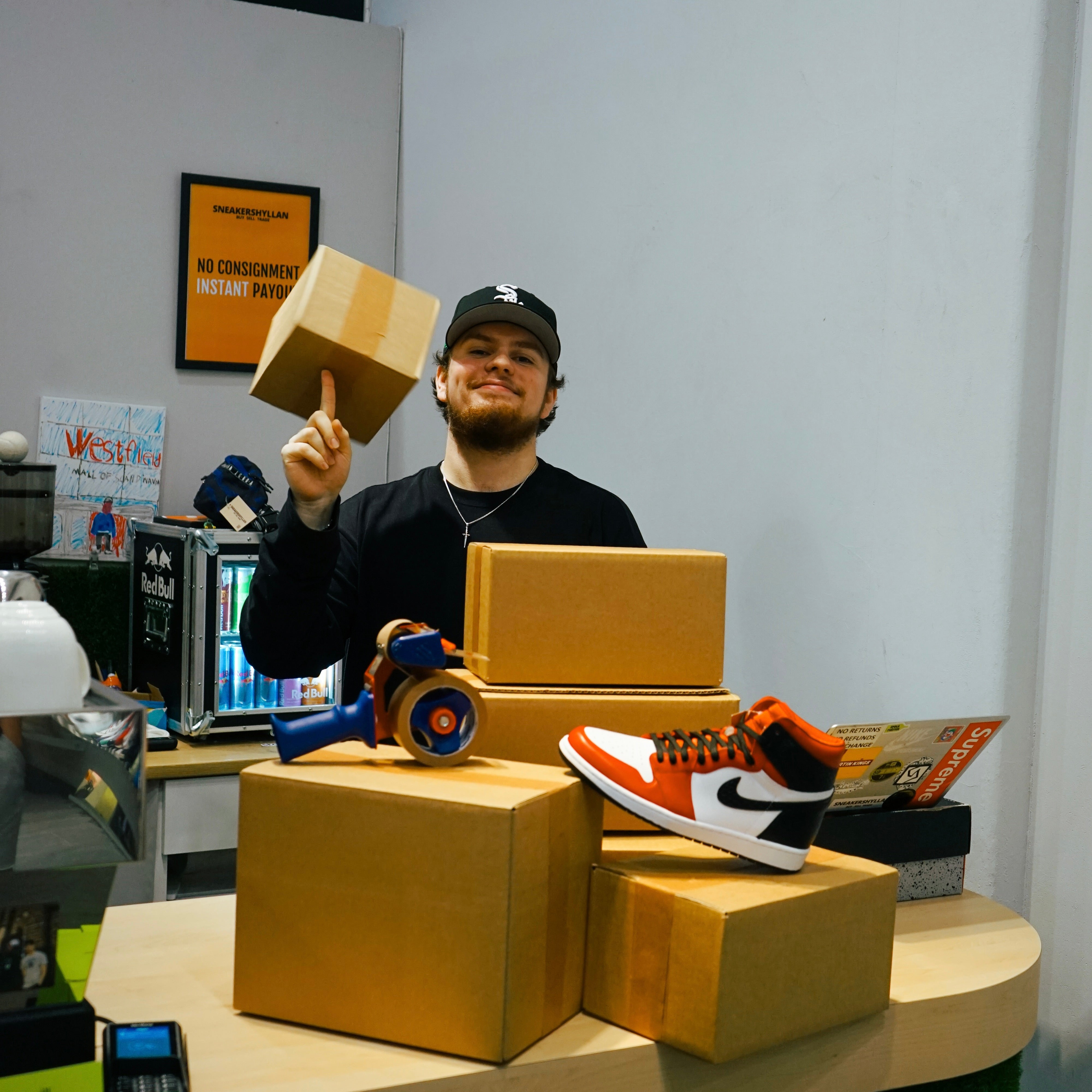
Do you have supreme stuff you want to sell check out our sell&trade side for an evaluation.

Leave a comment
This site is protected by hCaptcha and the hCaptcha Privacy Policy and Terms of Service apply.