

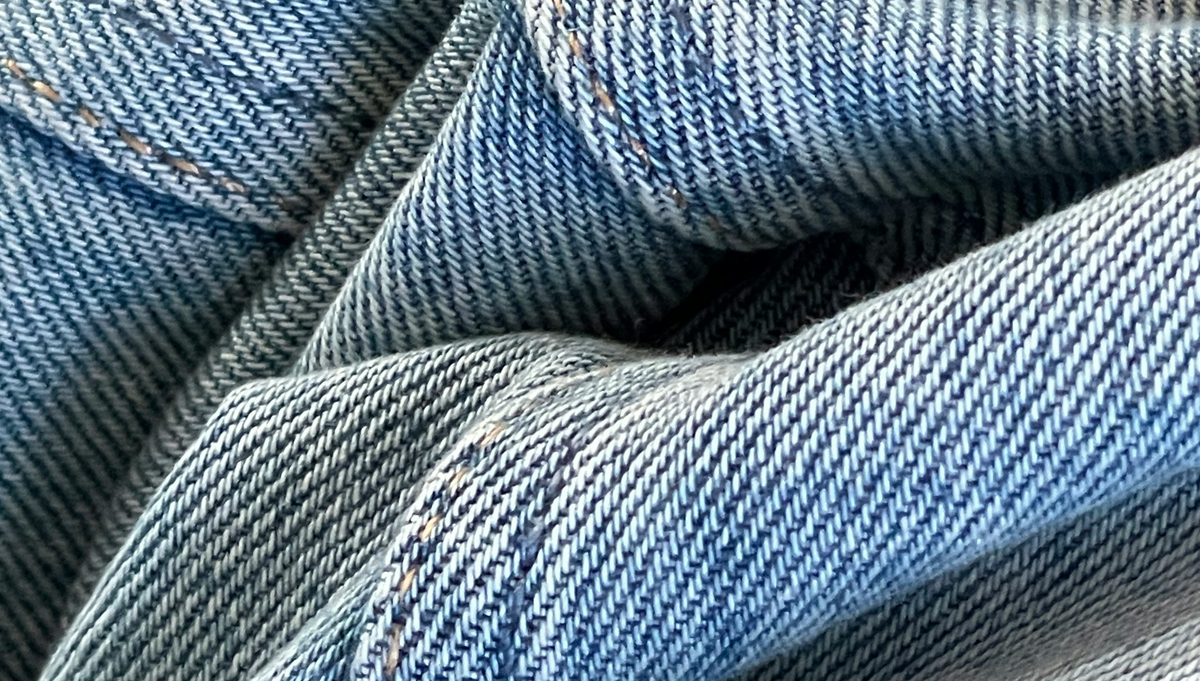
Jeans are a staple of streetwear. A good pair of jeans shouldn't just look good when they're new – they should get better the more you wear them. The color changes, the fabric starts to mold to your body, and the wear marks become part of the jeans' personality.
That's also why jeans don't need to be washed after every wear.
Every wash puts some stress on the color, fibers and fit. For anyone who wants to keep their jeans dark for longer – or let them develop natural, personal fades – how you wash them can make a bigger difference than you might think.
By washing your jeans only when they actually need it, airing them out between wears and avoiding unnecessary heat, you can extend their lifespan while keeping the feel of your favorite denim.
The short answer
Wash your jeans as rarely as possible – but always when they are actually dirty.
If your jeans only smell, they don't automatically need to go into the washing machine. Start by airing them out properly and treating the odor where it actually comes from. For this we would recommend Pure Effect.
When it comes to streetwear denim, proper care isn't about keeping your jeans completely unchanged. It's about letting the fabric develop in a way that you actually like.
How Often Should You Wash Jeans?
There is no exact rule for how often jeans should be washed. It depends on how often you wear them, how warm it is and whether they have actually become dirty.
A pair of jeans that has only been worn for a few hours usually doesn't need to be washed immediately. If they still feel fresh and don't have any stains, simply hang them up and wear them again later.
This is especially relevant for raw denim and dark denim, where washing and friction affect how the color develops over time.
Instead, ask yourself:
Are the jeans dirty – or do they just smell?
If it's mainly an issue of odor, there are ways to freshen up your jeans between washes. This means you don't have to expose the entire garment to water, detergent, heat and mechanical friction unnecessarily.
Why Do Jeans Lose Their Color?
The classic blue color of jeans mainly comes from indigo. Unlike dyes that penetrate deeply into the fibers, indigo largely sits on the surface of the cotton fibers.
That's one of the reasons denim changes as you wear it.
Pockets, thighs, knees and other areas are exposed to different levels of friction. Over time, lighter areas and fades begin to appear, creating a look that is unique to how you wear your jeans.
For many denim and streetwear enthusiasts, that's part of the appeal.
The problem isn't that your jeans change. The problem is when they change faster than you want them to.
Every wash contributes to wear:
- Color gradually fades from the surface
- Friction in the washing machine affects the fibers
- Hot water can accelerate fading
- Tumble drying exposes the jeans to both heat and mechanical wear
- Stretch jeans can lose their elasticity faster when exposed to high heat
If you want to keep a dark, raw denim look for longer, your washing habits matter.
If you'd rather develop a personal fade, wearing your jeans is just as important. It's the combination of time, friction and the way you wear them that creates their character.
Should You Wash Jeans to Maintain Their Fit?
Not necessarily.
Jeans made from 100% cotton often mold to your body as you wear them. The waistband, knees and other areas may stretch slightly during wear and then tighten up again after washing.
That's one reason freshly washed jeans can feel different from a pair you've been wearing for several days.
Stretch jeans work somewhat differently. They contain elastane or other stretch fibers that can be affected by high heat.
Tumble drying and high temperatures can therefore cause stretch jeans to lose their elasticity and shape more quickly.
If you want your jeans to keep their original feel for as long as possible, washing at a low temperature and air drying is the better option.
How Do You Remove Odor from Jeans Without Washing Them?
If your jeans aren't dirty, there's no reason to wash them just because they smell.
Start by hanging them somewhere with good airflow after wearing them. Let them dry properly before putting them back in your wardrobe.
If airing them out isn't enough, you can spot-treat the odor instead of washing the entire garment.
Pure Effect Textile Spray contains Bacillus subtilis, beneficial bacteria that break down the organic residues that odor-producing bacteria feed on and convert into odor.
This means the spray can be used to freshen up jeans between washes rather than simply masking the smell with perfume.
Spray the areas where the odor actually occurs – for example around the waistband, inner thighs or other areas that have been close to the body. Then let the product work.
To remove odor and freshen up your jeans between washes: Pure Effect Textile Spray.
Can You Freeze Jeans to Remove Odor?
Putting jeans in the freezer is a classic home remedy that has circulated among denim enthusiasts for years.
But it doesn't necessarily address the actual cause of the odor.
Low temperatures can temporarily affect microorganisms, but the organic residues that odor-producing bacteria feed on are still present in the fabric. The smell can therefore return once the jeans are worn again.
Airing them out and spot-treating the affected areas are better options when the jeans aren't actually dirty.
When Your Jeans Actually Need to Be Washed
Eventually, even your favorite jeans need a proper wash.
When there are visible stains, dirt or an odor that won't go away with airing, it's time to wash them.
There are a few simple things you can do to reduce wear:
- Turn your jeans inside out
- Follow the garment's care instructions
- Choose a low temperature
- Don't use more detergent than necessary
- Avoid fabric softener
- Avoid tumble drying
- Don't wring the jeans aggressively
- Let them air dry
- Avoid prolonged exposure to direct sunlight
30°C / 86°F is a good choice for many jeans and is generally gentler on color and fibers than higher temperatures.
Should You Wash Jeans Inside Out?
Yes. It's a simple habit that can reduce wear on the outside of your jeans.
Turning jeans inside out means the visible surface is exposed to less direct friction against other garments and the washing machine drum.
This is especially useful if you want to preserve a dark color or protect fades that have already started to develop.
It costs nothing – and only takes a few seconds.
Rotate Your Jeans Between Wears
Have more than one pair of jeans? Use that to your advantage.
Just like sneakers, denim benefits from resting between wears. Moisture from your body needs time to dry, while the fabric gets a chance to return to its natural shape.
Rotating between two or more pairs also means you won't have to wash the same pair as often.
It's an easy way to extend the lifespan of your favorite jeans without making denim care complicated.
And perhaps most importantly: you get to wear more of your jeans.
What's the Point of Not Washing Jeans Too Often?
For streetwear, jeans are often more than just another piece of clothing.
A pair of jeans can be part of an outfit, a personal style or an entire wardrobe. Over time, they develop marks where you sit, creases where you move and fades where the fabric experiences the most friction.
That's what can make a well-worn pair feel more personal than a brand-new one.
Washing jeans less often isn't about being afraid of water or refusing to use the washing machine.
It's about using it when it's actually needed.
Wear your jeans. Use them. Let them develop character. Wash them when they actually need it.
It's often better for both your jeans and your wardrobe.
How to Make Your Jeans Last Longer
In short, jeans don't need to be washed after every wear.
The most important thing is to distinguish between dirt and odor.
Air your jeans out between wears and let them dry properly. If the odor remains, spot-treat it instead of washing the entire garment.
When your jeans actually need to be washed, turn them inside out, choose a low temperature and let them air dry.
Avoid unnecessary heat and tumble drying if you want to preserve color, fit and stretch for longer.
And above all: wear your jeans.
After all, that's what they're made for.
FAQ – Common Questions About Jeans and Denim Care
How often should you wash jeans?
Wash jeans as rarely as possible, but always when they are actually dirty. If they only smell, try airing them out or spot-treating the odor between washes.
How do you remove odor from jeans without washing them?
Hang your jeans somewhere with good airflow and let them dry properly between wears. If the odor remains, you can spot-treat them with Pure Effect Textile Spray.
Can you wash jeans at 40°C / 104°F?
Always follow the garment's care instructions, but 30°C / 86°F is enough for many jeans and is gentler on color and fibers. Higher temperatures can increase the risk of fading, shrinking and wear.
Should you turn jeans inside out before washing?
Yes. Turning jeans inside out reduces wear on the visible surface and can help preserve the color.
Can you tumble dry jeans?
Some jeans can be tumble dried if the care label allows it, but air drying is gentler. Tumble drying involves both heat and mechanical wear and can affect the fit and stretch.
Do jeans shrink in the wash?
Yes. Jeans can shrink, especially when exposed to high temperatures or tumble drying. Cotton fibers are affected by heat and can contract.
How do you keep dark jeans from fading?
Wash jeans as rarely as possible, turn them inside out before washing, use a low temperature and avoid tumble drying. This reduces unnecessary wear on the color.
How do you get good fades on jeans?
Fades develop naturally through wear and friction. The result depends on factors such as how the jeans are dyed, how you wear them and where the fabric experiences the most friction. If you want to preserve natural fades, it's a good idea to avoid unnecessary washes.
Can you freeze jeans to remove odor?
Freezing jeans can temporarily affect microorganisms, but it doesn't remove the organic residues that odor-producing bacteria feed on. The odor can therefore return once the jeans are worn again.
See all jeans we have here
Related Articles:
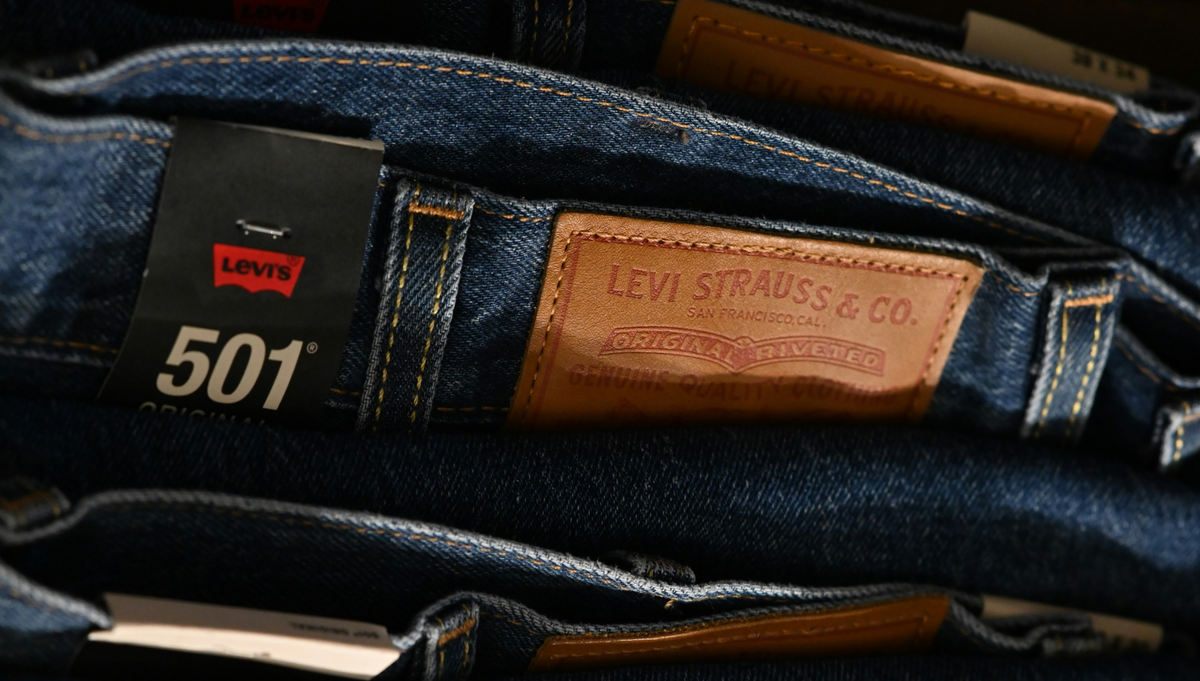
Levi’s Jeans Model Guide: What Is the Difference Between 501, 511, 502 and 505?


Leave a comment
This site is protected by hCaptcha and the hCaptcha Privacy Policy and Terms of Service apply.