

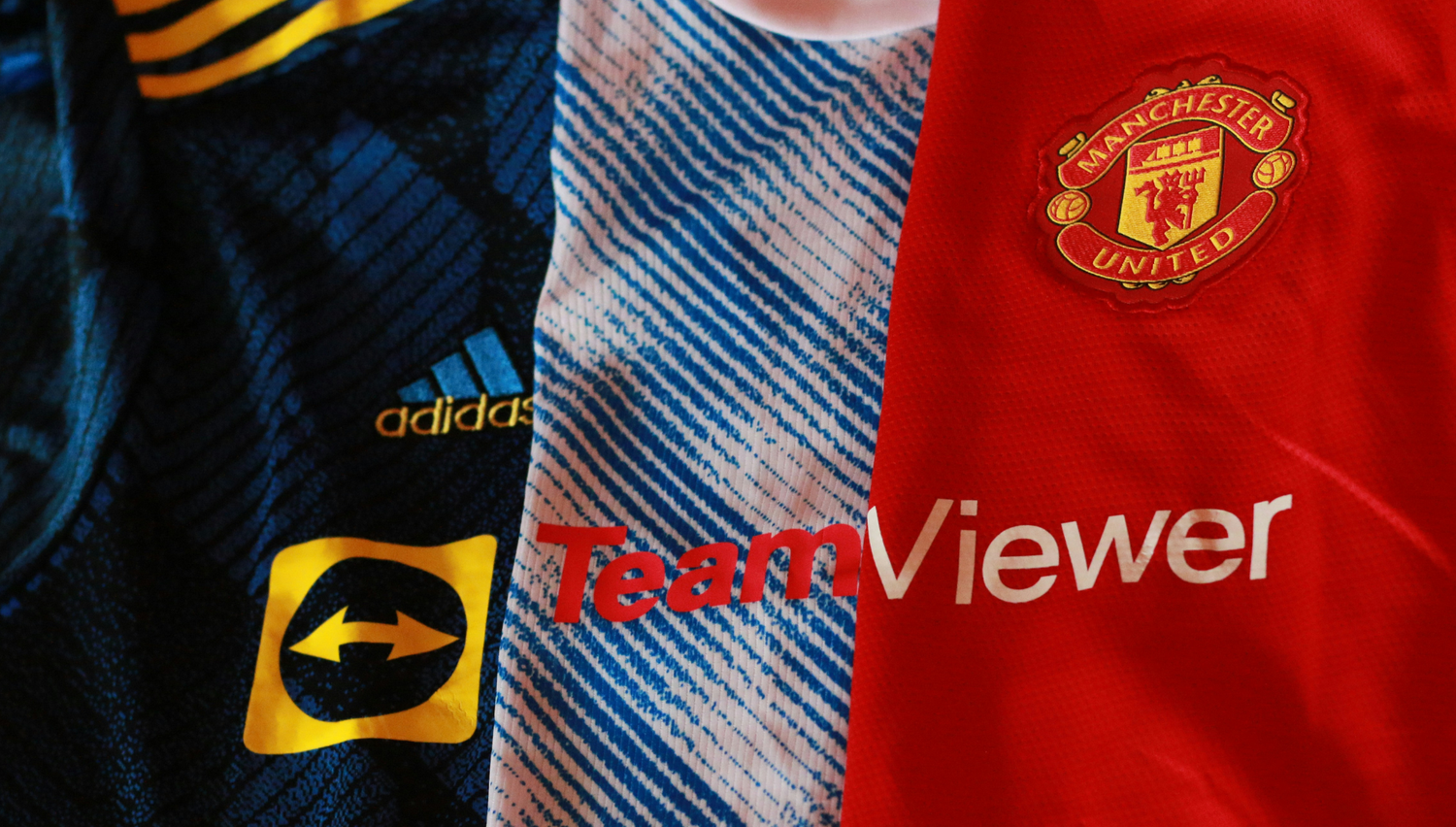
How to Authenticate a Football Jersey: The Complete Guide
Football jerseys have become more than just sportswear. They are collectibles, fashion pieces, and valuable memorabilia for fans around the world. Unfortunately, the rise in demand has also led to a huge increase in counterfeit football shirts.
Whether you are buying a vintage kit, a match-worn jersey, or the latest release, knowing how to authenticate a football jersey can save you money and help you avoid fake products.
In this guide, we will walk through the most important things to check when verifying whether a football jersey is authentic.
Why Authenticating Football Jerseys Matters
Authentic football shirts are made with higher-quality materials, official branding, and accurate manufacturing details. Fake jerseys often have poor stitching, incorrect fonts, and low-quality prints.
Buying authentic jerseys matters because:
- Genuine jerseys hold resale value
- Counterfeit shirts often wear out quickly
- Authentic kits support clubs and manufacturers
- Collectors value originality and accuracy
If you know what to look for, spotting a fake becomes much easier.
1. Check the Size Tag Carefully
The size tag is one of the most overlooked but important authentication points.
Manufacturers such as Nike, Adidas, and Puma all use specific fonts, spacing, production codes, and label placements that counterfeiters often fail to replicate correctly.
What to Look For on the Size Tag
Font and Lettering
- Check if the font is clean and sharp
- Compare the spacing between letters and numbers
- Fake jerseys often use thicker or uneven fonts
Product Codes
Most authentic jerseys include a unique product code.
For example:
- Nike shirts often use a 6-digit code followed by a 3-digit color code
- Adidas jerseys usually have a model code beginning with letters and numbers
Search the product code online. If the same code appears on a completely different jersey, it is likely fake.
Manufacturing Year
Some jerseys include production dates or season references on the inside tags. Make sure the manufacturing year matches the season of the shirt.
For example:
- A jersey from the 2014 World Cup should not have a production year from 2019
- Vintage shirts should use tag designs consistent with that era
Country of Manufacture
Authentic jerseys are commonly made in countries such as Thailand, Vietnam, Indonesia, or China depending on the manufacturer and release year.
If the manufacturing country looks unusual for that specific brand and era, it may be suspicious.
2. Inspect the Club and Brand Logos
One of the easiest ways to spot a fake football jersey is by examining the logos closely.
Club Crest
Authentic club badges are:
- Symmetrical
- Properly stitched or heat-pressed
- Detailed and clean
Fake jerseys often have:
- Crooked badges
- Incorrect colors
- Missing details
- Loose threads
Pay close attention to:
- Stars above the crest
- Embroidery thickness
- Shape accuracy
Brand Logos
Check the manufacturer logo carefully.
For example:
- Adidas stripes should be evenly spaced
- Nike swooshes should have clean curves
- Puma logos should not appear stretched or bulky
Counterfeit jerseys frequently get small logo details wrong.
3. Examine the Stitching Quality
Stitching quality is one of the strongest indicators of authenticity.
Authentic football jerseys are mass-produced with high manufacturing standards, meaning the stitching should be:
- Tight
- Consistent
- Clean
- Durable
Warning Signs of Fake Stitching
Look for:
- Loose threads
- Uneven seams
- Crooked stitching
- Excess fabric around seams
Pay extra attention to:
- Sleeve hems
- Inside seams
- Collar stitching
- Badge attachment areas
Fake jerseys often cut corners in these areas.
4. Check the Material and Fabric Technology
Authentic jerseys use performance fabrics designed for athletes.
Examples include:
- Nike Dri-FIT
- Adidas HEAT.RDY or AEROREADY
- Puma dryCELL
How Authentic Fabric Feels
Real jerseys usually:
- Feel lightweight
- Have breathable textures
- Stretch naturally
- Include ventilation panels
Fake jerseys often feel:
- Thick
- Plastic-like
- Overly shiny
- Heavy
Compare the fabric to official retailer photos whenever possible.
5. Verify the Sponsor Print and Nameset
The sponsor logo and player nameset are often poorly replicated on counterfeit shirts.
Sponsor Checks
Look for:
- Correct alignment
- Sharp edges
- Proper spacing
- Accurate colors
Fake jerseys may have:
- Cracked prints
- Incorrect font sizes
- Glossy or rubbery textures
Player Names and Numbers
Each league uses official fonts.
For example:
- The Premier League has specific lettering styles
- La Liga uses different official fonts
If the nameset style does not match the season, the jersey may have been customized unofficially or could be fake.
6. Look for Authenticity Labels and Holograms
Modern football shirts often include authenticity features such as:
- Holographic stickers
- QR codes
- Heat-pressed authenticity patches
- Serial numbers
These details are usually found:
- Near the hem
- Inside the shirt
- On swing tags
Always scan QR codes if available. Many brands link directly to official product pages.
7. Compare With Official Product Photos
One of the best authentication methods is direct comparison.
Compare your jersey with:
- Official club store photos
- Manufacturer product images
- Trusted collector references
Look at:
- Badge placement
- Collar shape
- Sleeve trim
- Font size
- Sponsor positioning
Even small differences can reveal a counterfeit.
8. Be Careful With Pricing and Sellers
If a deal seems too good to be true, it probably is.
Red Flags When Buying Football Jerseys
- Extremely low prices
- Sellers using stock photos only
- Missing authenticity details
- Poor seller reviews
Buy from:
- Official club stores
- Trusted resellers
- Reputable vintage football shirt shops
Final Thoughts
Authenticating a football jersey requires attention to detail, but the process becomes easier with experience. The most important areas to check are the size tag, logos, stitching, fabric quality, and authenticity labels.
By carefully comparing details and understanding how official manufacturers produce their shirts, you can avoid counterfeit jerseys and confidently grow your collection.
Whether you are collecting vintage kits or buying the latest release, knowing how to identify an authentic football jersey is an essential skill for every football fan.
FAQ: How to Authenticate a Football Jersey
How can you tell if a football jersey is authentic?
You can authenticate a football jersey by checking the size tag, product code, stitching quality, logos, sponsor print, fabric technology, and official authenticity labels.
Do fake football jerseys have product codes?
Yes, many fake jerseys include product codes, but the codes are often incorrect or reused from other shirts. Searching the code online can help verify authenticity.
Are authentic football jerseys stitched or heat pressed?
Both methods are used. Authentic jerseys may feature stitched badges or heat-pressed details depending on the manufacturer and shirt version.
What is the difference between authentic and replica football jerseys?
Authentic jerseys are player-version shirts made with premium lightweight materials and athletic fits, while replica jerseys are fan versions designed for everyday wear.
Can vintage football shirts be authenticated?
Yes. Vintage jerseys can be authenticated by checking era-specific tags, logo styles, stitching methods, and manufacturer details.
Why are fake football jerseys so common?
Counterfeit football shirts are popular because demand for rare and modern kits is extremely high, especially for clubs with large global fanbases.
Is it safe to buy football jerseys from marketplaces?
It can be safe if the seller has strong reviews, detailed photos, and proof of authenticity. Always verify tags, logos, and product details before purchasing.
Check out all our authentic Football Jerseys here


Leave a comment
This site is protected by hCaptcha and the hCaptcha Privacy Policy and Terms of Service apply.