

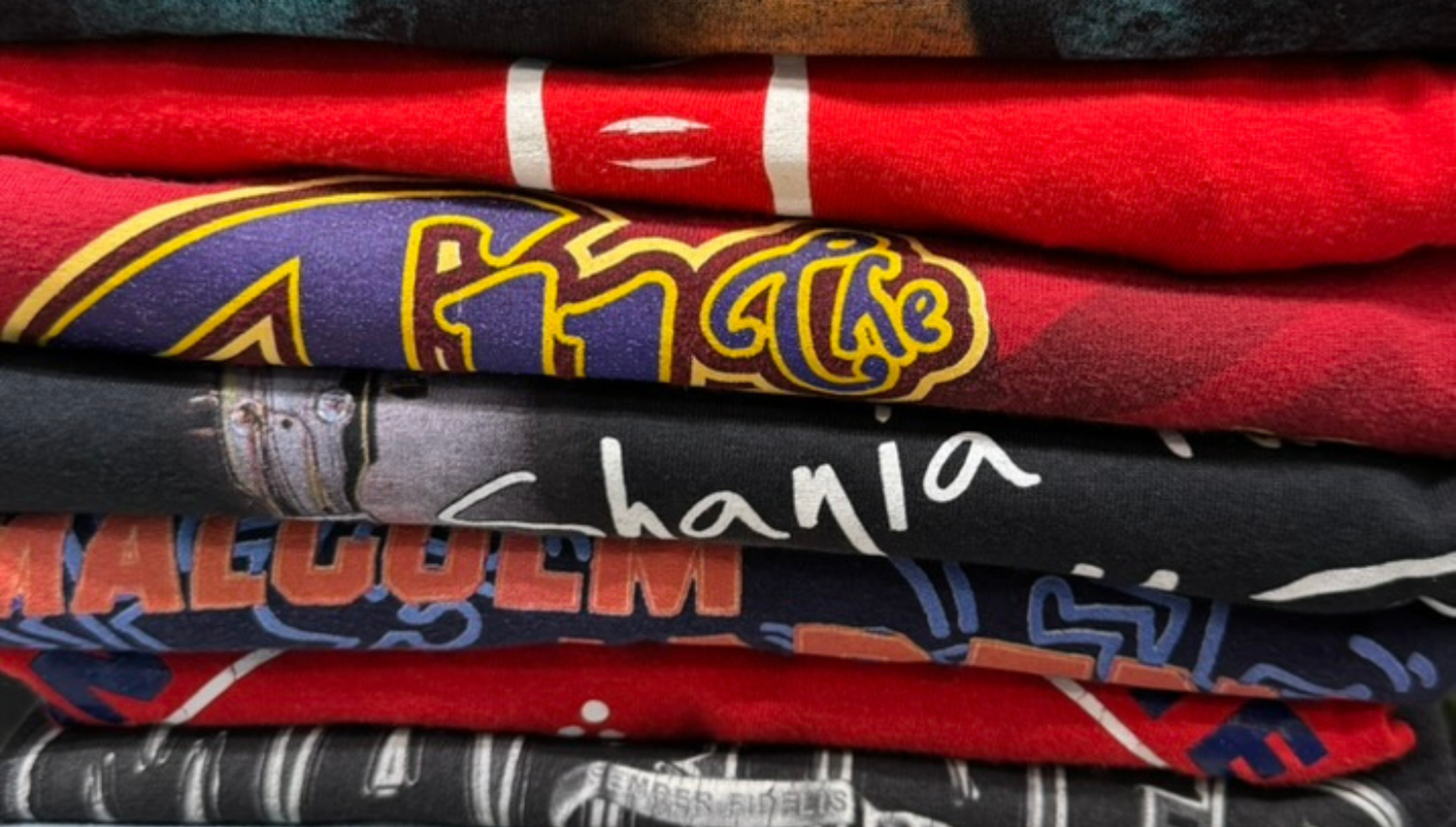
How Do You Take Care of a Vintage T-Shirt?
Vintage t-shirts are more than just clothing—they're pieces of history. Whether you've found a rare band tee, a faded sports shirt, or a perfectly worn graphic tee, proper care is essential to preserve both the fabric and the print.
One of the biggest mistakes people make is washing vintage t-shirts too often. While modern garments are designed to withstand frequent laundering, vintage shirts often feature older fabrics and aged screen prints that can become damaged over time.
The key to preserving a vintage t-shirt is simple: wash less, refresh more.
Why You Shouldn't Wash a Vintage T-Shirt After Every Wear
Many vintage t-shirts are decades old. Their cotton fibers have naturally weakened over time, making them more susceptible to wear, thinning, and tears.
Every wash cycle causes:
- Friction on the printed design
- Fading of colors
- Cracking of screen prints
- Breakdown of older cotton fibers
- Shrinkage and fabric distortion
The less frequently you wash your vintage t-shirt, the longer both the fabric and graphic will last.
How to Keep a Vintage T-Shirt Fresh Without Washing
If your vintage tee isn't visibly dirty, you often don't need to wash it after every wear.
Instead, use Pure Effect to help eliminate the bacteria that cause odors.
Pure Effect works by introducing beneficial bacteria that naturally break down odor-causing bacteria and organic residue. This helps keep clothing fresh between wears without exposing delicate vintage fabrics and prints to unnecessary wash cycles.
Benefits include:
- Reduces the need for frequent washing
- Helps preserve vintage screen prints
- Protects fragile cotton fibers
- Keeps garments fresher between wears
- Extends the overall lifespan of vintage clothing
For many vintage collectors, refreshing a shirt with Pure Effect after wearing can significantly reduce how often laundering is necessary.
When Should You Wash a Vintage T-Shirt?
Wash your vintage t-shirt when:
- It has visible stains
- It has been worn multiple times and needs a deeper clean
- It has absorbed sweat or odors that refreshing cannot eliminate
- It has been stored for a long period and needs freshening
If none of these conditions apply, it's usually better to avoid unnecessary washing.
The Best Way to Wash a Vintage T-Shirt
When washing becomes necessary, follow these guidelines:
1. Turn the Shirt Inside Out
This protects the printed graphic from friction during washing.
2. Use Cold Water
Cold water is gentler on both fabric and print while helping reduce fading and shrinkage.
3. Choose a Gentle Cycle
Aggressive wash cycles can stress older fibers and accelerate print cracking.
4. Use Mild Detergent
Harsh detergents can weaken vintage fabrics and strip color from graphics.
5. Avoid Bleach
Bleach can permanently damage both the fabric and artwork.
Never Put a Vintage T-Shirt in a Hot Dryer
Heat is one of the biggest enemies of vintage clothing.
High dryer temperatures can:
- Crack screen prints
- Cause shrinkage
- Fade graphics
- Damage fragile fibers
Instead, air dry your vintage t-shirt on a flat surface or hang it in a shaded, well-ventilated area.
How to Store Vintage T-Shirts
Proper storage is just as important as washing.
For best results:
- Store in a cool, dry environment
- Keep out of direct sunlight
- Fold carefully to avoid stress on graphics
- Avoid overcrowding storage spaces
- Use acid-free storage materials for valuable collectibles
Long-term exposure to heat, moisture, or sunlight can significantly reduce a vintage shirt's lifespan.
Why Less Washing Helps Vintage T-Shirts Last Longer
Every wash removes a tiny amount of the shirt's remaining life.
Vintage garments have already survived years or even decades. By reducing unnecessary washing and using Pure Effect to keep shirts fresh between wears, you can dramatically slow down:
- Print cracking
- Color fading
- Fabric thinning
- Seam deterioration
- Overall garment wear
This preservation-focused approach helps maintain both the appearance and value of vintage t-shirts.
Frequently Asked Questions About Vintage T-Shirt Care
How often should I wash a vintage t-shirt?
Only wash your vintage t-shirt when it is visibly dirty, stained, or develops persistent odors. Frequent washing accelerates fabric wear and print degradation.
Can I use Pure Effect instead of washing?
Pure Effect can help reduce odor-causing bacteria and keep garments fresh between wears, allowing you to wash less frequently. However, it does not replace washing when a shirt is stained or heavily soiled.
Why are vintage t-shirt prints cracking?
Prints crack naturally with age, but excessive washing, high heat, and dryer use can accelerate the process.
Is it safe to machine wash a vintage t-shirt?
Yes, if you use cold water, a gentle cycle, and turn the shirt inside out. Hand washing is even gentler for particularly rare or fragile pieces.
Should I air dry or tumble dry a vintage t-shirt?
Air drying is strongly recommended. High dryer heat can damage both the fabric and printed design.
Can vintage t-shirts shrink?
Yes. Vintage cotton garments can shrink when exposed to heat, especially during machine drying.
How do I keep a vintage t-shirt smelling fresh?
Allow it to air out after wearing and use Pure Effect between washes to help manage odor-causing bacteria without subjecting the shirt to unnecessary laundering.
What is the biggest mistake people make with vintage t-shirts?
Overwashing. Frequent laundering is one of the fastest ways to fade graphics, crack prints, and weaken already-aged fabric.
How can I make my vintage t-shirt last longer?
Wash only when necessary, use cold water, avoid heat, air dry, store properly, and refresh with Pure Effect between wears whenever possible.
Does washing affect the value of a vintage t-shirt?
For collectible vintage pieces, excessive washing can reduce aesthetic appeal by accelerating fading, print loss, and fabric wear, potentially affecting resale value.

Leave a comment
This site is protected by hCaptcha and the hCaptcha Privacy Policy and Terms of Service apply.