

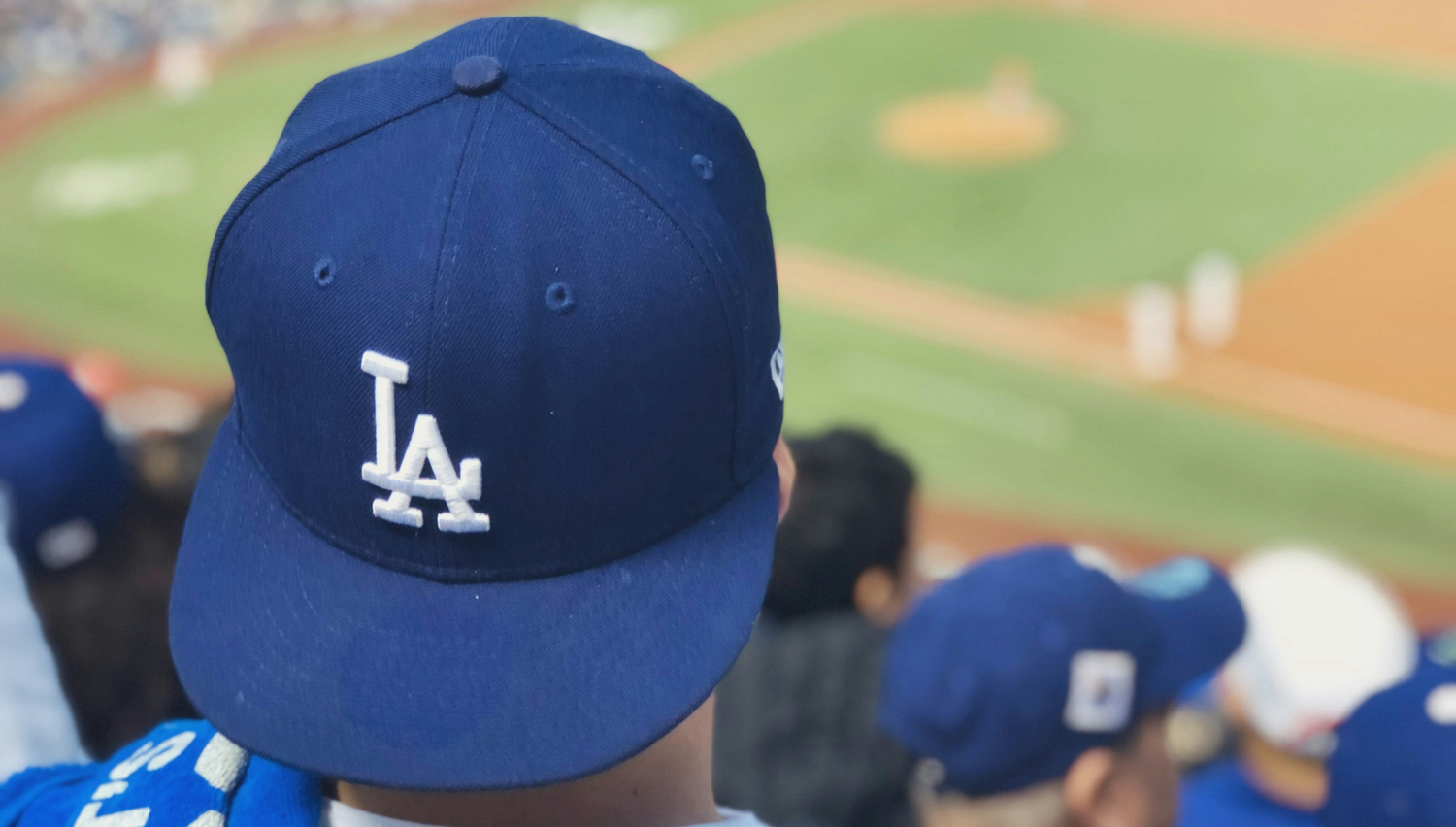
What Is a Fitted Cap?
A fitted cap is a type of baseball cap designed in exact head sizes instead of using adjustable straps, snap closures, or Velcro fasteners. Because fitted hats are tailored to specific measurements, they provide a cleaner, more secure fit and a more polished appearance than adjustable caps.
Fitted caps are most commonly associated with professional baseball, especially Major League Baseball (MLB), but today they are worn worldwide as fashion accessories and cultural statements.
Key Features of a Fitted Cap
A fitted cap usually includes:
- A closed back with no adjustment strap
- Structured crown panels
- A curved or flat brim
- Precise sizing (such as 7, 7 1/4, or 7 1/2)
- Embroidered logos and team branding
- High-quality materials like wool blends or polyester
Unlike snapbacks or dad hats, fitted caps are made to match the wearer’s exact head size for a snug and comfortable fit.
How Does a Fitted Cap Differ From Other Caps?
Many people confuse fitted hats with other baseball cap styles. Here is how they compare.
Fitted Cap vs Snapback
A fitted cap has no adjustable closure and comes in measured sizes. A snapback uses a plastic snap closure at the back for adjustable sizing.
Main Difference:
- Fitted = exact size
- Snapback = one-size adjustable
Fitted Cap vs Dad Hat
Dad hats are usually unstructured, softer, and more relaxed in shape. Fitted caps are more structured and athletic-looking.
Main Difference:
- Dad hat = casual and relaxed
- Fitted cap = structured and performance-inspired
Fitted Cap vs Flexfit
Flexfit hats combine elastic materials with fitted sizing to provide stretch. Traditional fitted caps do not stretch much and rely on precise sizing.
The History of the Fitted Cap
The history of the fitted cap begins with baseball itself. Over time, the fitted hat evolved from practical sports equipment into a global fashion icon.
Early Baseball Caps in the 1800s
Baseball teams began wearing caps in the mid-19th century to shield players’ eyes from the sun. Early versions looked different from modern baseball caps and were often made from straw or wool.
One of the earliest known baseball uniforms appeared in 1849 with the New York Knickerbockers, who wore brimmed caps as part of their team attire.
The Rise of Structured Baseball Caps
By the early 1900s, baseball caps became more standardized. Teams started using structured crowns and stitched panels that more closely resembled the modern fitted cap.
Manufacturers experimented with:
- Wool fabrics
- Reinforced brims
- Team embroidery
- Ventilation eyelets
As baseball grew in popularity across the United States, fitted caps became an important part of team identity.
New Era and the Modern Fitted Cap
The biggest turning point came in the 1930s when the company New Era Cap Company began producing professional baseball caps.
In 1954, New Era introduced the iconic 59FIFTY fitted cap, which became the official on-field cap for Major League Baseball players.
The 59FIFTY design introduced:
- Structured front panels
- A standardized fitted shape
- Better durability
- Improved comfort and consistency
Today, the 59FIFTY remains one of the most recognizable fitted cap styles in the world.
How Fitted Caps Became a Fashion Symbol
Fitted caps expanded far beyond sports during the late 20th century.
Hip-Hop Culture and Streetwear
In the 1980s and 1990s, fitted caps became heavily connected to hip-hop culture. Artists, DJs, and fans embraced sports caps as part of urban fashion.
Rappers and streetwear communities often wore:
- Flat-brim fitted caps
- Oversized team logos
- Rare colorways
- Limited-edition releases
The fitted cap evolved into a symbol of identity, hometown pride, and personal style.
Sports Fandom and Global Popularity
As sports leagues gained international audiences, fitted caps became collectible fashion items. Fans wore team caps not only to support clubs but also to represent cities and lifestyles.
Popular teams like the:
- New York Yankees
- Los Angeles Dodgers
- Chicago White Sox
became globally recognized through their fitted cap designs.
Why People Prefer Fitted Caps
Many people choose fitted caps because of their clean appearance and tailored fit.
Advantages of Fitted Caps
Better Fit
Since fitted caps come in exact sizes, they often feel more secure and balanced.
Cleaner Look
Without adjustable straps or snaps, fitted caps have a streamlined appearance.
Premium Style
Fitted caps are commonly viewed as more authentic and premium, especially in sports and streetwear culture.
Durability
High-quality fitted caps are designed for long-term wear and shape retention.
How to Find Your Fitted Cap Size
To determine your fitted hat size:
- Use a flexible measuring tape
- Measure around your head above your ears
- Compare the measurement to a fitted cap size chart
Common fitted sizes include:
- 7 (55.8 cm)
- 7 1/8 (56.8 cm)
- 7 1/4 (57.7 cm)
- 7 3/8 (58.7 cm)
- 7 1/2 (59.6 cm)
A properly fitted cap should feel snug but not tight.
Are Fitted Caps Still Popular Today?
Yes. Fitted caps remain extremely popular in sports, fashion, and streetwear communities.
Modern trends include:
- Vintage team logos
- Limited-edition collaborations
- Lifestyle fashion collections
- Minimalist fitted designs
- Luxury streetwear pairings
Social media and sneaker culture have also helped fitted caps maintain strong global demand.
Frequently Asked Questions
What is the purpose of a fitted cap?
A fitted cap provides a secure, tailored fit without adjustable straps. It combines athletic functionality with fashion appeal.
Why are fitted caps called fitted?
They are called fitted caps because they are manufactured in specific head sizes to fit the wearer precisely.
Are fitted hats better than snapbacks?
It depends on personal preference. Fitted hats offer a cleaner and more customized fit, while snapbacks provide adjustable convenience.
What is the most famous fitted cap?
The New Era 59FIFTY is widely considered the most iconic fitted cap model.
Can fitted caps stretch over time?
Some fitted caps stretch slightly with wear, especially wool blends, but most retain their original shape and size.
Final Thoughts
The fitted cap started as practical sportswear for baseball players and evolved into one of the most influential accessories in modern fashion culture. From professional athletes to hip-hop artists and streetwear enthusiasts, fitted caps have become timeless symbols of identity, style, and authenticity.
Whether worn for sports, fashion, or collecting, fitted caps continue to hold a unique place in global culture thanks to their rich history and unmistakable design.

Leave a comment
This site is protected by hCaptcha and the hCaptcha Privacy Policy and Terms of Service apply.