

How to Know Your Size on a Fitted Cap
Buying a fitted cap online can feel difficult if you are unsure about your exact size. While measuring your head is the first step, the perfect fitted cap depends on more than just numbers. Different crown shapes, fit profiles, and cap models can completely change how a hat sits on your head.
In this guide, we’ll explain how to measure your fitted cap size and the three most important things to think about before choosing your next cap.
1. Measure Your Head Correctly
The most important step is measuring your head accurately.
Use a soft measuring tape and wrap it around your head just above your ears and eyebrows — this is where your fitted cap will naturally sit. Measure in either centimeters or inches.
Most fitted caps use standard sizing like:
- 7
- 7 1/8
- 7 1/4
- 7 3/8
- 7 1/2
If you are between sizes, your fit preference matters:
- Size down for a tighter fit
- Size up for a more relaxed feel
Keep in mind that materials and production can slightly affect the final fit.
2. Crown Shape and Cap Model Matter
One of the biggest mistakes people make is assuming all fitted caps fit the same. Different models have completely different crown shapes and depths.
Here are some of the most common fitted cap styles:
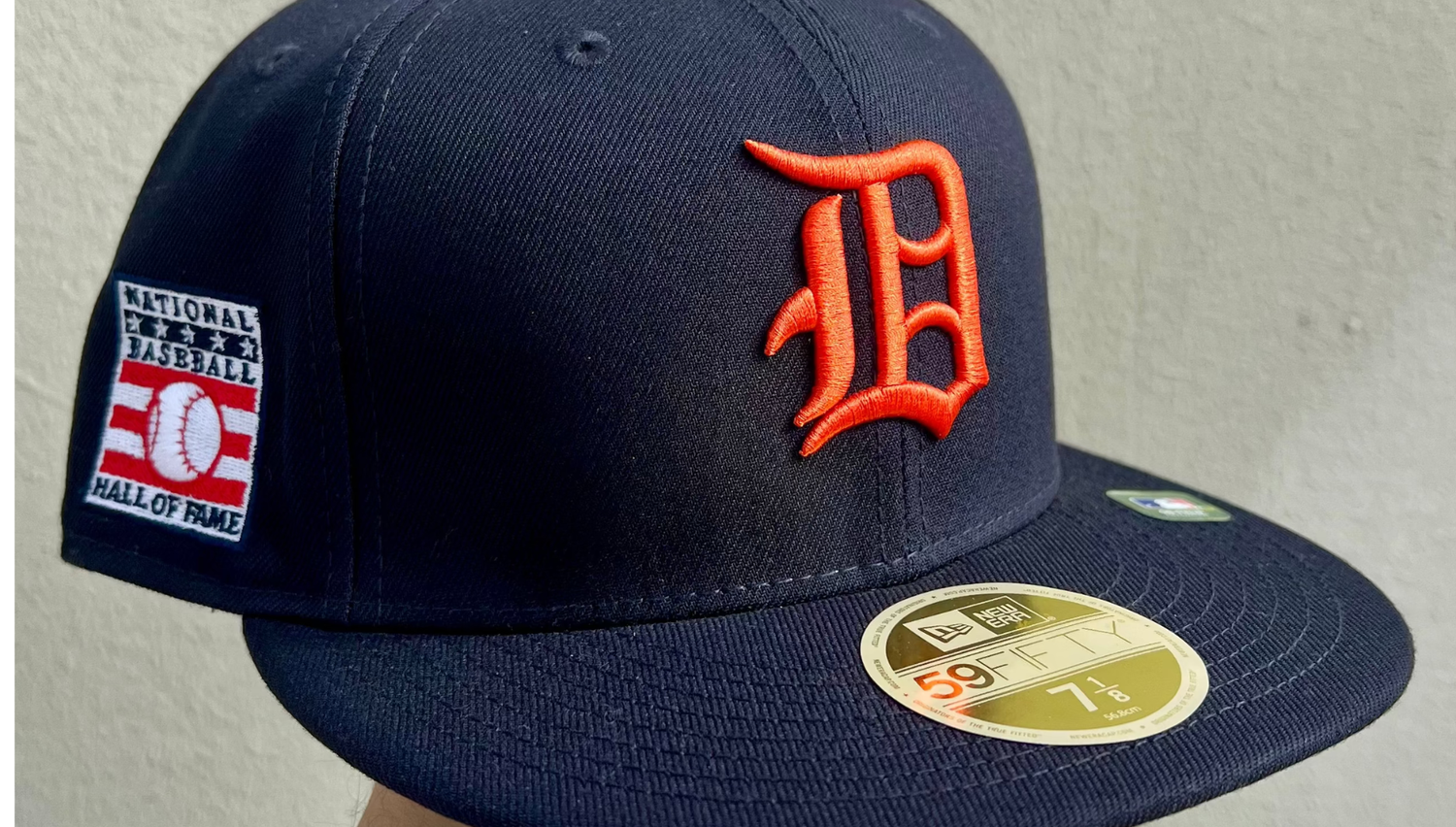
59FIFTY
The classic high-crown fitted cap.
The 59FIFTY has:
- Structured front panels
- Flat visor
- Deeper fit
- Higher crown
This model gives a more traditional streetwear and sports look.
Low Profile
A Low Profile fitted cap sits lower on the head and has a more curved visor.
It is ideal for people who prefer:
- A more natural fit
- Less crown height
- A closer fit around the forehead
Heritage Fit
Heritage Fit caps usually feature:
- Softer structure
- Vintage-inspired shape
- Relaxed crown design
These caps often feel less rigid and can fit differently compared to modern structured caps.
Because crown height changes the way a cap sits, two caps in the same size can still feel completely different.
3. Your Head Shape Affects the Fit
Not all heads are shaped the same, and fitted caps are designed differently depending on the brand and model.
Some caps fit:
- More oval-shaped heads
- More round-shaped heads
- Wider head shapes
- Narrower head shapes
This is why a size 7 1/4 in one model may feel tighter than another 7 1/4 cap.
If you notice:
- Pressure on the sides → the cap may be too round
- Extra room at the front → the cap may be too oval
- The cap sitting too high → the crown may be too deep
Trying different crown styles is often the key to finding your perfect fitted cap.
Tips for Getting the Perfect Fitted Cap Fit
- Measure your head more than once
- Compare sizing charts between brands
- Consider your hairstyle when measuring
- Remember that wool caps may shrink slightly over time
- Polyester fitted caps usually hold their shape better
FAQ
How do I know my fitted cap size?
Measure around your head above the ears and eyebrows using a soft tape measure. Then compare the measurement to the brand’s size chart.
What if I am between fitted cap sizes?
If you are between sizes, choose based on your preference:
- Smaller size for a snug fit
- Larger size for extra comfort
Does every fitted cap model fit the same?
No. Models like 59FIFTY, Low Profile, and Heritage Fit all have different crown shapes and depths that affect the fit.
What is the difference between 59FIFTY and Low Profile?
The 59FIFTY has a higher structured crown and flat visor, while the Low Profile has a lower crown and usually a pre-curved visor.
Why does the same size feel different in another cap?
Crown shape, material, construction, and head shape all affect how a fitted cap feels.
Can fitted caps stretch over time?
Some materials like wool can stretch slightly with wear, while polyester caps tend to keep their original shape longer.

Leave a comment
This site is protected by hCaptcha and the hCaptcha Privacy Policy and Terms of Service apply.