

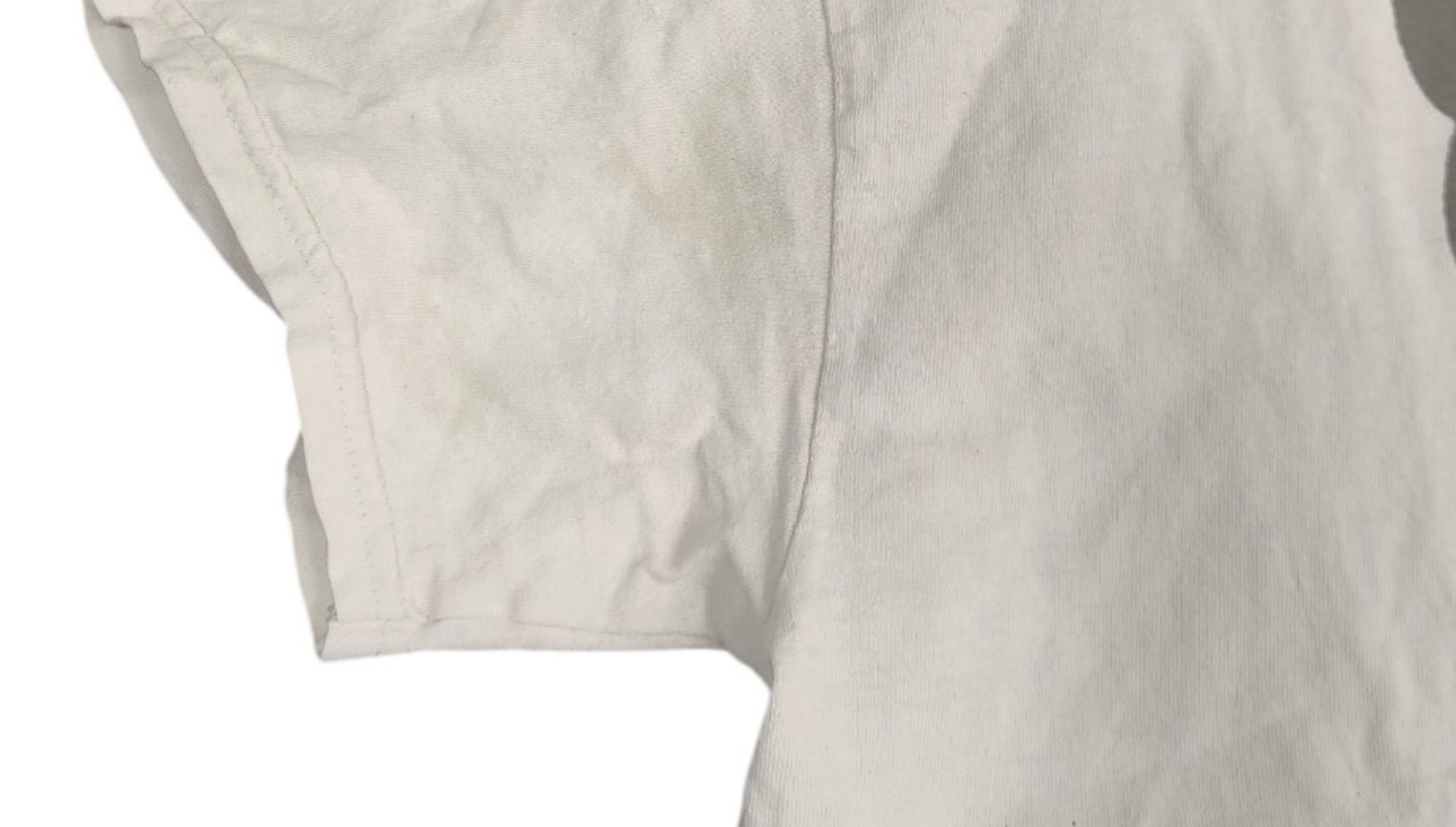
Yellow stains under the arms are something most people have experienced. They appear gradually, settle into the fabric, and can be difficult to remove once they’ve formed. It’s easy to assume it’s simply a laundry issue and that stronger detergents or hotter washing temperatures are the solution.
But in many cases, the problem starts much earlier. Yellow stains are less about how you wash your clothes and more about what happens inside the fabric before the garment even reaches the washing machine.
Why Do Yellow Underarm Stains Appear?
Yellow stains usually occur when sweat reacts with aluminum salts found in antiperspirants. Together, they create compounds that bind to textile fibers.
When the garment is left damp or exposed to heat — for example during washing or tumble drying — these compounds can become fixed in the material. That’s when the yellow discoloration develops, and light-colored cotton garments are often affected the most visibly.
In other words, it’s rarely caused by a single incident. It’s a process that builds up over time.
How to Prevent Yellow Stains on Clothes
The most important step is to interrupt the process early — before the compounds have time to bind to the fibers.
You can reduce the risk by:
- choosing an aluminum-free deodorant
- allowing garments to dry immediately after use
- avoiding leaving damp clothes in the laundry basket
- avoiding unnecessary high heat during washing or drying
- treating exposed areas early
Small habits can make a big difference over time.
How to Remove Yellow Underarm Stains
If stains have already formed, they can be difficult to remove completely, especially once they have settled into the fabric.
The most important things are to:
- treat the stain as early as possible
- avoid “setting” the stain with heat
- work gently and repeat the treatment if necessary
Because these stains often involve a chemical bond within the fabric, they may require time and repeated treatment to break down.
There are also various home remedies, such as using a paste made from baking soda and water before washing. In some cases, this can help loosen discoloration. At the same time, it’s important to remember that this type of treatment can be relatively harsh on fabrics. Repeated use may affect fibers, color, and the overall feel of the garment over time.
As with many stains, it becomes a balance — the more aggressive the treatment, the greater the risk of damaging the material itself.
That’s why prevention and early intervention are often more effective than relying on stronger cleaning methods later on.
Fabric Type Matters – But It Doesn’t Solve Everything
Cotton tends to bind the compounds that cause stains, making discoloration more noticeable. This is because cotton is a natural fiber with a more open and absorbent structure. The fibers absorb both moisture and the compounds created by the reaction between sweat and antiperspirant, allowing buildup over time.
Synthetic materials, such as polyester, have a smoother and more water-resistant surface. They do not bind these compounds chemically in the same way, but they can trap moisture and organic residue closer to the surface, which often leads to odor buildup instead.
There is no fabric that completely solves the issue — it’s more about how the garment is used and cared for between wears.
Between Uses – Where the Difference Happens
What happens between wearing and washing often makes the biggest difference. When a garment stays damp, the process continues inside the fabric. When it dries properly, both odor and the risk of stains are reduced.
Treating an affected area early, rather than washing the entire garment immediately, is often enough to stop the problem from developing further.
A Solution Between Wearing and Washing
For clothes that smell or feel less fresh but are not actually dirty, there is a middle ground.
Pure Effect Textile Spray is designed to treat odor directly in the garment without requiring a full wash. This makes it possible to interrupt the process early and wear the garment again, without allowing residue to build up in the fabric over time.
Yellow underarm stains are therefore rarely caused by sweat alone — they are mainly the result of the reaction between sweat and aluminum in antiperspirants. When garments remain damp and are later exposed to heat, the compounds bind to the fibers.
By interrupting the process early — allowing garments to dry, avoiding aluminum, and not fixing stains with heat — you can reduce the risk of yellow stains developing.
If you want to remove odor and freshen garments between uses, you can learn more about Pure Effect Textile Spray here.
Frequently Asked Questions About Yellow Stains
Why do yellow stains appear under the arms?
They usually occur when sweat reacts with aluminum salts in antiperspirants and gradually binds to the fabric.
Can yellow stains be completely prevented?
Yes, by interrupting the process early — for example by avoiding aluminum-based products and not leaving garments damp.
Is sweat itself causing the stains?
No, the stains are most often caused by the combination of sweat and certain deodorant ingredients.
Why do stains become worse after washing?
Heat can cause the compounds to bind more strongly to the fibers, making them harder to remove.
Which fabrics are most affected?
Cotton tends to show stains more clearly because it binds the compounds efficiently.


Leave a comment
This site is protected by hCaptcha and the hCaptcha Privacy Policy and Terms of Service apply.