

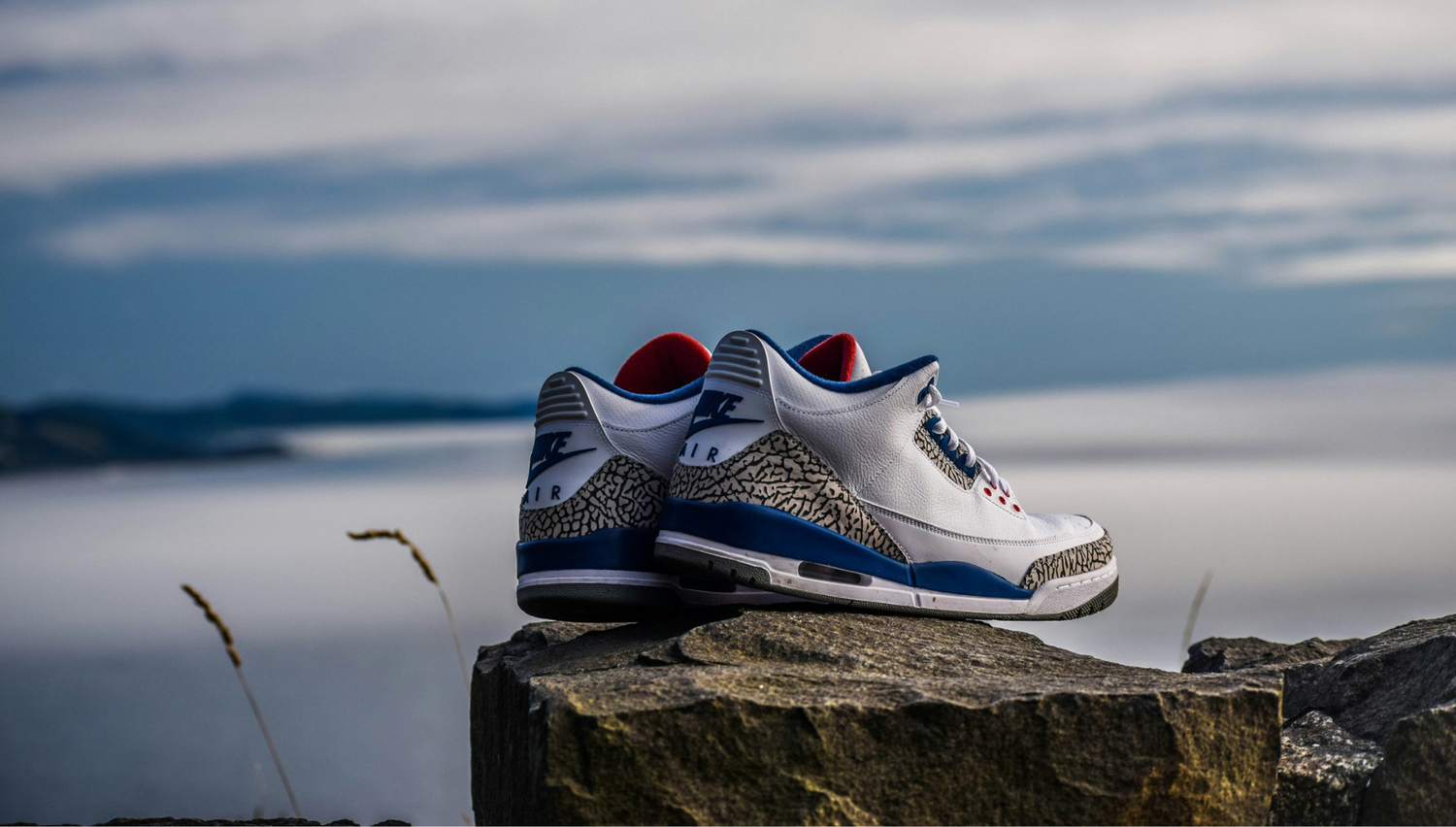
Vintage Sneakers and Durability: What Happens as Sneakers Age?
For many collectors, vintage sneakers represent a piece of sneaker history. Whether it's an original Air Jordan release, a classic Air Max, or a deadstock pair that has remained untouched in its box for decades, older sneakers carry a unique appeal that modern releases cannot replicate.
However, one important reality often surprises new collectors: a sneaker can look brand new and still fail the moment it is worn.
Unlike collectibles made from metal or hard plastics, sneakers are constructed from materials that naturally age over time. Foam, rubber, glue, leather, suede, and paint all continue to deteriorate even when a pair sits untouched in its original box.
The Wine Bottle Analogy
Owning vintage sneakers is similar to owning an old bottle of wine.
From the outside, everything may appear perfect. The label looks good, the bottle is intact, and there are no obvious signs of damage. Yet until the bottle is opened and tasted, nobody truly knows whether the wine has aged properly or if the cork has failed.
Vintage sneakers behave in much the same way.
A deadstock pair that has spent 19, 20, or even 25 years in its box may appear flawless. But until the sneakers are actually worn, there is no way to know how the materials will respond under stress. The first walk could reveal cracking paint, separated soles, hardened rubber, or even complete midsole failure.
How Rubber Ages Over Time
Rubber is often considered one of the more durable sneaker materials, but it is not immune to aging.
As years pass, rubber can:
- Harden and lose flexibility
- Become brittle
- Develop surface cracks
- Lose traction and grip
- Separate from glued components
Storage conditions play a major role. Excessive heat, direct sunlight, humidity, and poor air circulation can accelerate rubber degradation.
While many vintage outsoles remain wearable after decades, their performance may not match that of a newer sneaker.
How Foam Midsoles Deteriorate
Foam midsoles are often the biggest concern when evaluating older sneakers.
Materials such as polyurethane (PU) and EVA foam naturally break down over time through oxidation and hydrolysis.
Common signs include:
- Midsole crumbling
- Loss of cushioning
- Hardening of the foam
- Structural weakness
- Complete midsole collapse
A sneaker can look perfectly wearable while sitting on a shelf. However, the first time body weight is applied, the foam may begin to crack or crumble.
This is especially common in vintage running shoes and basketball sneakers from the 1980s, 1990s, and early 2000s.
Why Sneaker Glue Fails with Age
Many collectors assume that unworn sneakers should be in perfect condition. Unfortunately, glue does not last forever.
Adhesives naturally lose strength as they age.
Over time, glue can:
- Dry out
- Become brittle
- Lose bonding strength
- Separate from the midsole or outsole
This means a deadstock sneaker may experience sole separation despite never having been worn.
The good news is that sole separation is often one of the easier issues to repair. In many cases, a professional reglue can restore a sneaker to wearable condition if the surrounding materials remain healthy.
How Leather Ages
Leather is generally one of the more durable upper materials found on vintage sneakers.
When properly stored, leather can survive decades remarkably well.
However, aging leather may:
- Dry out
- Become stiff
- Develop cracks
- Lose flexibility
- Fade in color
Regular conditioning and proper storage can significantly extend the lifespan of leather sneakers.
A well-maintained leather upper often outlasts the foam and glue beneath it.
How Suede Ages
Suede requires additional attention because of its softer texture and porous nature.
As suede ages, it can:
- Dry out
- Become brittle
- Fade from UV exposure
- Lose its soft texture
- Develop permanent stains
Compared to leather, suede generally requires more careful storage and maintenance to preserve its original appearance.
Nike and Jordan Sneakers: Midsole Paint Cracking
One of the most common aging issues seen on vintage Nike and Jordan sneakers involves painted midsoles.
Many classic Nike and Air Jordan releases use painted foam midsoles rather than colored foam throughout the entire structure.
Over time, the paint layer can:
- Dry out
- Become less flexible
- Crack
- Flake off
- Separate from the foam surface
This process can occur even when the sneakers have spent years in storage.
For many Nike and Jordan models, paint cracking becomes increasingly common after 10 or more years, particularly if the shoes have remained unworn for extended periods.
Collectors frequently encounter this issue on older Air Jordan retros and vintage Nike basketball models.
While repainting is possible, it may not fully restore the original factory appearance.
Air Max 1 and Air Max 90: What Collectors Should Know
Classic runners such as the Air Max 1 and Air Max 90 deserve special attention.
Many older examples feature foam midsoles that naturally deteriorate with age.
After 10 years or more, collectors may encounter:
- Midsole cracking
- Hardened foam
- Reduced cushioning
- Structural weakness
- Increased risk of crumbling
Even if an Air Max 1 or Air Max 90 has never been worn, age alone can impact durability.
Some pairs remain surprisingly wearable after many years, while others may fail during their first outing. Storage conditions, environmental exposure, and manufacturing variations all influence the outcome.
Can Deadstock Sneakers Be Less Wearable Than Used Sneakers?
Surprisingly, yes.
Many collectors have discovered that lightly worn sneakers often age better than completely unworn pairs.
Occasional wear helps:
- Compress and flex the foam
- Keep materials moving naturally
- Prevent certain forms of hardening
- Reduce the risk of extreme material stagnation
A deadstock sneaker that has sat untouched for 20 years may be more fragile than a pair that has been worn carefully several times each year.
This is one reason why sneaker collectors often recommend occasional wear rather than permanent storage.
How to Extend the Life of Vintage Sneakers
Although aging cannot be stopped entirely, collectors can slow the process significantly.
Best practices include:
- Wear sneakers occasionally to keep materials active.
- Store sneakers in a cool, dry environment.
- Avoid excessive heat.
- Avoid direct sunlight.
- Maintain stable humidity levels.
- Use shoe trees when appropriate.
- Clean sneakers before long-term storage.
- Condition leather periodically.
- Inspect glue and midsoles regularly.
Proper storage will not make a sneaker immortal, but it can greatly improve the chances that the pair remains wearable for years to come.
Conclusion
Vintage sneakers are fascinating because they represent a unique moment in sneaker history. However, collectors should remember that sneakers are made from materials that continue to age whether they are worn or not.
Rubber hardens, foam deteriorates, glue weakens, leather dries, suede loses its softness, and painted midsoles can crack. A deadstock pair that has remained untouched for nearly two decades may still look perfect, but its true condition is often unknown until it is worn.
Just like an old bottle of wine, the real test comes when the moment arrives to open it and experience it for yourself.
Frequently Asked Questions (FAQ)
Can unworn sneakers still fall apart?
Yes. Even unworn sneakers continue to age. Foam, glue, rubber, paint, and upper materials can deteriorate while sitting in storage for many years.
Why do vintage sneakers crumble?
The most common cause is foam degradation. Polyurethane midsoles can break down over time and become brittle, eventually crumbling when pressure is applied.
Is it better to wear vintage sneakers occasionally?
In many cases, yes. Occasional wear can help keep materials flexible and may reduce some of the issues associated with long-term storage.
Do Nike and Jordan midsoles crack with age?
Many Nike and Jordan models use painted midsoles. After 10 or more years, the paint may crack, flake, or separate from the foam, especially if the shoes have remained unworn.
Are Air Max 1 and Air Max 90 sneakers durable after 10 years?
Some pairs remain wearable, while others develop cracking or weakened midsoles. Age, storage conditions, and material composition all affect durability.
How should I store vintage sneakers?
Store them in a cool, dry environment away from direct sunlight and excessive heat. Stable temperatures and moderate humidity levels are ideal.
Can sole separation be repaired?
Often, yes. In many cases, sole separation is simply a glue issue. A professional reglue can restore the bond if the surrounding materials remain structurally sound.
What is the biggest risk when buying deadstock sneakers?
The biggest risk is that the sneaker may appear perfect externally while internal materials such as foam or glue have already deteriorated. Wearability can never be guaranteed solely by appearance.

Leave a comment
This site is protected by hCaptcha and the hCaptcha Privacy Policy and Terms of Service apply.